Introduction: Solving Electrical Issues with High-Quality Wiring Products
One of the most common yet frustrating challenges automotive mechanics and technicians face today revolves around diagnosing and repairing electrical issues. Modern vehicles often contain miles of electrical wiring responsible for controlling critical systems, from engine management to safety and infotainment. When wiring problems arise, it’s crucial to identify and resolve them quickly and accurately. Poor-quality wiring products not only lead to unreliable repairs but can significantly impact vehicle safety and reliability.
Quality automotive wiring products are essential tools for ensuring accurate diagnosis, efficient repairs, and lasting results. Mechanics rely on detailed diagnostic platforms such as AllData, AutoData, and HaynesPro—solutions conveniently accessible through AutoFixData. These platforms offer precise schematics, wiring diagrams, and detailed component location data necessary to handle complex electrical repairs. In this article, we’ll explore essential wiring products mechanics trust, the best brands available today, and show you how integrating high-quality wiring products with AutoFixData’s diagnostic resources can help you efficiently solve electrical wiring problems.
Problem Identification: Common Electrical Diagnostic Challenges Mechanics Face
Electrical wiring issues are notoriously challenging in automotive repairs. The complexity of modern automotive electrical systems continues to grow exponentially—today’s vehicles are equipped with wiring harnesses that can incorporate thousands of wires, numerous sensors, dozens of electronic control modules, and multiplexed communication networks (CAN, LIN, MOST, FlexRay, etc.). This complexity poses significant diagnostic hurdles. A survey conducted by Automotive Diagnostics Training indicated that electrical problems account for approximately 25-30% of all diagnostic challenges in independent repair shops.
Common wiring-related challenges include:
- Intermittent faults causing unpredictable symptoms
- Hidden corrosion and wiring degradation within harnesses
- Connector contamination and terminal failure
- Difficulty tracing short circuits or open circuits
- Misinterpretation of wiring diagrams and schematics
Consequently, diagnostic accuracy and efficiency depend greatly on both a technician’s skills and their access to accurate wiring data provided by platforms like AllData, AutoData, and HaynesPro, available directly through AutoFixData’s suite of solutions.
Technical Background: Understanding Automotive Electrical Wiring
Automotive electrical wiring plays a critical role in distributing power and signals throughout the vehicle’s various systems. High-quality wiring products ensure that vehicles function safely, efficiently, and reliably. Wiring products primarily include wires, terminals, connectors, fuse holders, relays, insulation, loom coverings, heat shrink tubing, and harness assemblies.
Key considerations for automotive wiring products include:
- Conductor Material and Gauge: Typically copper or copper alloys, standardized by the American Wire Gauge (AWG) system. Proper gauge selection ensures adequate power delivery without voltage drops or overheating.
- Insulation Material: PVC, XLPE, Silicone, or PTFE insulation protects wires from abrasion, extreme temperatures, harsh automotive fluids, and weather conditions.
- Connectors and Terminals: High-quality terminals and connectors minimize electrical resistance, prevent voltage drops, and guard against corrosion through effective plating materials like tin or gold.
- Heat Management and Abrasion Resistance: Wiring looms and harness coverings protect wires from environmental stressors, mechanical abrasion, and thermal fluctuations.
As technology advances, proper automotive wiring products not only optimize electrical performance but ensure module-to-module network communication remains uninterrupted.
Solution Overview: Diagnostic Platforms Enhancing Wiring Issue Resolution
When diagnosing wiring issues, mechanics greatly benefit from trusted diagnostic solutions like AllData, AutoData, and HaynesPro. These services provide critical vehicle-specific details, including:
- Accurate and up-to-date wiring diagrams
- Detailed component locations
- Precise connector pinouts and terminal identification
- Manufacturer-specified wiring repair guidelines and procedures
- Technical Service Bulletins (TSBs) related to known wiring faults
AutoFixData provides seamless access to these essential diagnostic tools, ensuring repair shops and technicians achieve pinpoint accuracy when tracing wiring issues. Combining highly-rated wiring products with these data tools accelerates diagnosis, improves workflow, reduces errors, and ultimately enhances revenue and customer satisfaction.
Step-by-Step Process: Diagnosing and Repairing Automotive Wiring Problems with Trusted Products
Step 1: Confirm Customer Complaints and Symptoms
Document clearly the vehicle’s behavior or fault codes in detail. Determine if intermittent issues occur under certain conditions, such as heat, moisture, or vibration.
Step 2: Initial Scan and Diagnostics Check
Use your diagnostic platform (AllData, AutoData, HaynesPro via AutoFixData) for fault code identification and initial testing procedures based on verified industry practices.
Step 3: Locate Component and Wiring
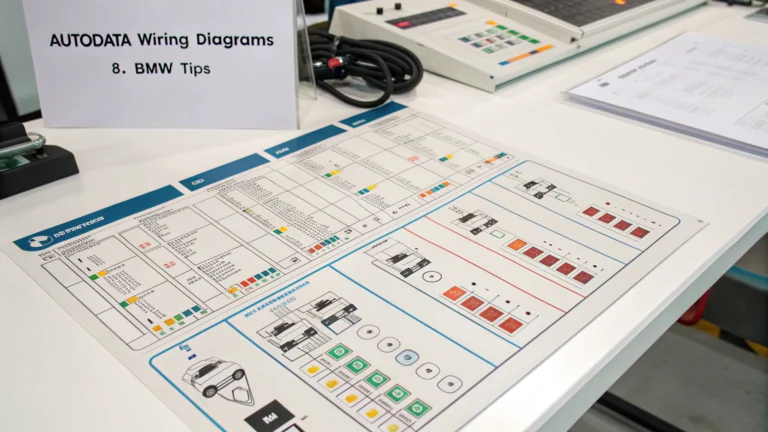
Use accurate diagrams to clearly identify involved wiring harnesses, connectors, and corresponding vehicle components. These diagrams provided by diagnostic solutions illustrate connector types, wire colors, and harness routing.
Tip from experienced mechanics: Always start your inspection at connector junctions and known abrasion points, checking visually for signs of damage.
Step 4: Testing and Verification
Employ high-quality automotive test leads, a digital multimeter (DMM), or automotive oscilloscope. Measure voltage, continuity, and resistance accurately, following the diagnostic procedures outlined by AutoFixData platform schematics.
Step 5: Repair or Replace Faulty Wiring Components
Replace compromised wiring segments utilizing reputable brands, ensuring proper wire gauge, OEM specification connectors, terminals, and necessary protective elements (heat shrink, loom protection, etc.).
Step 6: Confirm Repairs and Clear Codes
Use diagnostic scanners once again to confirm the repair has resolved the issues. Road test thoroughly to validate the fix.
Common Mistakes to Avoid in Wiring Repairs
Even experienced mechanics can run into pitfalls when diagnosing wiring issues. Here are common mistakes you should avoid:
- Misreading Wiring Diagrams: Always cross-reference diagrams carefully with the vehicle make, model, and specific systems.
- Failure to Follow Repair Procedures: Improper splicing or incorrect wire gauges lead to repair failures down the line.
- Ignoring Corrosion or Terminal Damage: Always inspect connectors thoroughly. Corroded and loose terminal pins can be root causes of persistent wiring issues.
- Not Verifying Repairs: Always validate fixes through rigorous testing afterward.
Advanced Techniques: Expert Tips for Automotive Wiring Repairs
- Load Testing: Beyond basic continuity checks, perform voltage-drop tests under actual electrical loads to uncover otherwise hidden wiring faults.
- Oscilloscope Diagnostics: Utilize oscilloscopes to capture intermittent wiring disruptions or complex communication issues in CAN/LIN network systems.
- Connector Pin Drag Testing: Specialized tools allow technicians to evaluate connector pin tension. Loose terminal tension contributes to intermittent problems often missed by visual inspections.
Tools and Resources Needed for Effective Wiring Repairs
Ensure your workshop is equipped with:
- Quality wiring products: brands like Delphi Technologies, TE Connectivity, Molex, Raychem, Bosch Connector systems, and 3M Automotive Tapes & Wiring Solutions.
- Diagnostic platforms integrated with AutoFixData (AllData, AutoData, or HaynesPro).
- Digital Multimeter (DMM) and Oscilloscope
- Pin terminal removal and crimping tools
- Heat shrink tubing, automotive-grade tapes, loom covers, and protective sleeving.
Real-World Application: Case Study Example
A 2018 Ford F-150 arrived at John’s Auto Repair experiencing intermittent stalling and throttle control code P2135. Using AutoFixData’s wiring diagrams and AllData subscription, John quickly identified corroded connectors on the throttle body wiring harness. After replacing wiring terminals with OEM-quality Delphi connectors and double-checking related circuits with proper test equipment, John verified repairs with diagnostic tools and confirmed the fault was permanently resolved, saving time and ensuring customer satisfaction.
Conclusion: Utilize Premium Wiring Products and AutoFixData Solutions for Efficiency
Electrical diagnostics are inherent challenges for automotive mechanics—but investing in premium wiring products and trusted diagnostic platforms simplifies these issues significantly. AutoFixData provides convenient, reliable access to leading automotive diagnostic solutions like AllData, AutoData, and HaynesPro, perfectly complementing high-quality wiring products.
Enhance your automotive repair efficiency and accuracy: explore AutoFixData’s solutions and sign up today to simplify your diagnostic workflow.
FAQs about Automotive Wiring Products
Q: What wiring gauge should I use for automotive repairs?
A: Consult OEM-specific wiring diagrams from AllData or AutoData accessed through AutoFixData. The correct gauge (typically 10 to 22 gauge) depends on circuit load and length.
Q: Is soldering wires better than crimp connectors?
A: High-quality crimps are usually preferred according to OEM standards due to vibration resistance and durability. Use dedicated automotive-grade connectors like Delphi or Bosch for professional results.
Q: Can low-quality wiring products cause diagnostic confusion?
A: Yes, subpar wires, connectors, or terminals often cause unforeseen resistance or intermittent faults, complicating diagnostics.
Q: How do diagnostic platforms help identify wiring fault locations?
A: Detailed wiring diagrams help pinpoint exact connector locations, circuit routing, and color-coding—critical during diagnostics.