Introduction
Every professional mechanic has experienced the frustration of navigating complex automotive diagnostics without proper tools and clear guidance. One significant issue is mastering diagnostic interfaces, particularly the Autodata interface, an industry-standard platform heavily utilized for accurate vehicle troubleshooting. When diagnosing electrical faults, engine management issues, or complex vehicle repairs, efficiently navigating Autodata’s interface directly impacts diagnostic speed, accuracy, and ultimately, your profitability.
At AutoFixData.com, we address this critical need by providing mechanics, garage owners, and automotive enthusiasts with direct, affordable access to premier diagnostic resources, including Autodata, AllData, and HaynesPro. Understanding and leveraging the Autodata interface effectively is crucial, which is why this comprehensive guide will provide you detailed insights, best practices, and essential tips for making the most of Autodata’s robust and reliable resources.
Problem Identification
Recent industry research indicates that more than 60% of mechanics face challenges effectively utilizing diagnostic software interfaces. Among these tools, the Autodata interface stands out due to its wealth of comprehensive vehicle data, wiring diagrams, torque specifications, diagnostic trouble codes (DTCs), and repair procedures. However, this extensive range of capabilities can overwhelm mechanics unfamiliar with its structure and workflow.
Mechanics frequently report spending significant extra time trying to identify the exact module, wiring schematic, or repair procedure necessary to perform a diagnostic task. Difficulty navigating the Autodata interface can lead to:
- Misdiagnosis causing unnecessary repairs or part replacements.
- Increased diagnostic time, reducing workshop productivity and revenue.
- Frustration and potential customer dissatisfaction due to delayed repairs.
To mitigate these challenges, mechanical professionals must develop an in-depth understanding of Autodata’s user interface capabilities and workflow strategies.
Technical Background
The Autodata interface is a comprehensive, structured digital platform designed to facilitate professional automotive diagnosis and repairs. It contains valuable diagnostic data encompassing multiple automotive systems, including engine management, suspension, transmission, brakes, electrical systems, HVAC, emission controls, and more. It also offers wiring diagrams, tightening torques, fault-code diagnosis, and manufacturers' bulletins, all conveniently organized within one digital environment.
Key components within Autodata’s interface include:
- Vehicle Selection Modules: Allow users to select the exact make, model, engine variant, and year for precise data retrieval.
- System Modules & Menu Navigation: Provide structured and logical access to vehicle systems grouped clearly such as engine, chassis, drivetrain, electrical, and fuel systems.
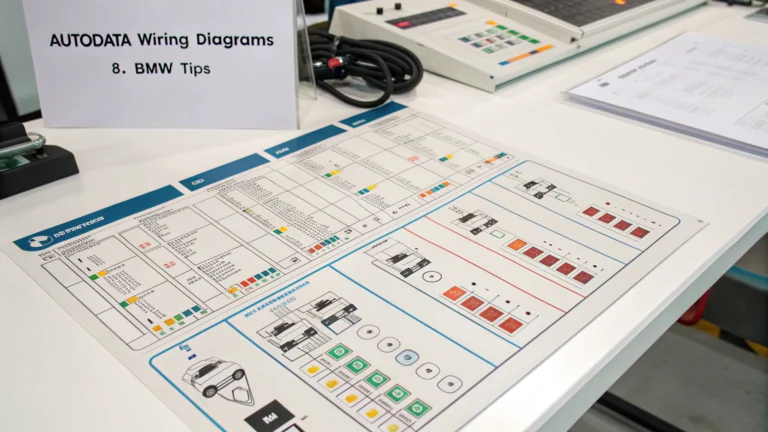
- Interactive Wiring Diagrams & Schematics: Comprehensive, clear illustrations with highlights and annotations enhance troubleshooting accuracy.
- Diagnostic Trouble Code (DTC) Lookup: Easily understandable fault code explanations paired with symptom diagnostics and recommended repair procedures.
- Service Guides & Repair Procedures: Manufacturer-specified repair sequences with step-by-step actionable data for precise service execution.
Annually updated with manufacturer-provided documentation and repair intelligence, Autodata continually evolves, offering mechanics access to current automotive data—making mastering its user interface more crucial than ever.
Solution Overview
Utilizing reputable diagnostic tools like Autodata, available directly via AutoFixData.com, can dramatically improve your diagnostic outcomes. The Autodata interface supports mechanics by providing user-friendly features designed to streamline automotive troubleshooting and repair processes.
Key solutions enabled by mastering Autodata’s interface include:
- Quick vehicle selection to accurately pinpoint necessary diagnostic data.
- Detailed DTC lookup capability reducing guesswork.
- Comprehensive technical documentation and wiring diagrams for faster system navigation.
- Manufacturer-specific repair guidelines saving diagnosis-to-repair time.
- Accurate torque specifications preventing costly mechanical errors.
AutoFixData ensures streamlined, economical access to top diagnostic solutions such as Autodata, supporting garages and professionals seeking efficiency, accuracy, and productivity in their daily workflows.
Step-by-Step Process of Navigating Autodata Interface Effectively
Step 1: Vehicle Selection Accuracy
Clearly identify and select the correct year, make, model, trim, and engine type. Incorrect vehicle selection within the Autodata interface will significantly disrupt accurate diagnostics.
Expert Tip: Always confirm VIN details before starting. Cross-check with actual documents or vehicle VIN plate.
Step 2: System Identification & Hierarchy
Utilize system modules effectively. Interfaces like Autodata categorize functions logically—Engine Management, ABS, Airbag Systems, Transmission, HVAC, Electrical Equipment, etc.
Step 3: Diagnosing with DTCs
Input any Diagnostic Trouble Codes accurately in the DTC lookup tool. Autodata immediately returns possible faults, symptom descriptions, test procedures, and full repair protocols matching these codes.
Expert Tip: Record all active and historical fault codes before proceeding. Cross-reference them to identify if multiple codes point to an interconnected issue.
Step 4: Reading Interactive Diagrams
Use Autodata’s detailed wiring diagrams to quickly locate components, grounds, and power connections. Pay attention to color-coded wires, fuse/relay placements, and routing locations clearly marked within the interface.
Step 5: Using Torque Specifications & Repair Procedures
Strictly adhere to displayed torque specifications and manufacturer repair sequences provided to ensure your repairs align precisely with manufacturer standards.
Expert Tip: Maintain a printed or PDF copy nearby to reference during physical repair activities.
Common Mistakes to Avoid
When using the Autodata interface, mechanics often make similar errors leading to extended diagnosis times or incorrect conclusion:
- Hasty Vehicle Identification: Selecting wrong models or engine variants, leading to incorrect data access and ineffective troubleshooting.
- Ignoring Detailed Procedures: Skipping provided repair sequences or torque values, reducing repair quality and risking component failure.
- Incomplete DTC Analysis: Focusing exclusively on one fault code without correlating multiple fault codes’ relationships.
- Bypassing Wiring Diagrams: Overlooking detailed interactive wiring diagrams leading to incomplete analysis or overlooking simple electrical faults.
Advanced Techniques
Taking advantage of advanced features within the Autodata interface boosts your diagnostic proficiency:
- Cross-Reference Bulletin Integration: Integrate technical bulletins directly into your diagnosis—often highlighted by Autodata—to quickly resolve known manufacturer-specific issues.
- Systematic Symptom Search: Use the Symptom Diagnostic tool within Autodata’s interface, combining client-provided symptoms with proactive repair protocols.
- Comparative Data Analysis: Utilize Autodata’s historical model data for comparing recurring issues and identifying patterns across similar vehicle models or families.
- Quick Reference Bookmarks: Bookmark frequently accessed diagrams and technical documents in Autodata to save retrieval time repeatedly.
Tools and Resources Needed
Effectively using the Autodata interface alongside essential resources yields optimal diagnostic results:
- Laptop or tablet with high-resolution display for clear diagram readability.
- Stable internet connection ensuring continuous access during diagnostics.
- OBD-II diagnostic scanner integrated with Autodata’s listed trouble codes.
- Multimeter and Circuit Tester for conducting recommended electrical tests detailed in diagrams supplied by Autodata.
Diagnostic platforms like Autodata, AllData, and HaynesPro—readily accessible via AutoFixData—perfectly complement these basic tools, providing comprehensive diagnostic support essential in today’s professional repair shops.
Real-World Application
Consider a common scenario:
An independent garage workshop faced difficulty diagnosing intermittent electrical faults leading to random engine misfires on a late-model Volkswagen Golf. Despite traditional testing approaches, the fault was elusive.
After investing in Autodata access through AutoFixData.com, the technicians precisely selected the exact vehicle variant. By examining detailed Autodata wiring diagrams, technicians quickly identified a common earth grounding point corrosion issue within the engine bay—highlighted clearly by Autodata’s common issues bulletins. Clearing and re-securing the earth resolved the intermittent misfire immediately.
This practical scenario illustrates clearly how effeiciently navigating the Autodata interface dramatically enhances diagnostic outcomes and workshop productivity.
Conclusion
Mastering the Autodata interface is foundational for mechanics and garage owners seeking accurate, fast, and profitable vehicle repairs. Avoid common interface navigation pitfalls, adopt advanced searching techniques, and integrate interface resources professionally to confidently deliver reliable automotive servicing.
Take charge of your diagnostic competencies today. Visit AutoFixData.com to explore affordable plans providing full access to Autodata, AllData, and HaynesPro diagnostic platforms—transforming your diagnosis clarity, speed, and accuracy into tangible workshop success.
Explore diagnostic access at AutoFixData today!
FAQs
1. What vehicle types and model years does Autodata cover?
Autodata covers a comprehensive range of vehicles including passenger cars, SUVs, and light-commercial vehicles from late-model years dating from the '80s through present models, regularly updated with manufacturer-sourced information annually.
2. Can multiple users access Autodata simultaneously?
Multi-user subscription plans available through AutoFixData enable numerous mechanics within the same garage to simultaneously operate Autodata without difficulty, enhancing collaborative repair efficiency.
3. How frequently does Autodata update their technical data?
Autodata receives continuous, real-time updates throughout the year directly from manufacturers, ensuring data accuracy, diagnostic reliability, and compliance with the latest procedures and bulletins.
4. Do I need specialized computer knowledge to use the Autodata interface effectively?
No advanced computer skills required—Autodata’s interface features intuitive navigation clearly designed for mechanics, offering logical categorization and easy-to-follow prompts.
5. Can I access Autodata offline?
Typically, Autodata requires internet connectivity for real-time updates and access. However, you can export and save critical diagrams and repair procedures locally for offline access when internet service is intermittent.