Introduction: Facing the Challenge – Autodata vs Alldata
Every experienced mechanic knows that accurate diagnosis is the cornerstone of effective vehicle repair. A seemingly simple engine fault can quickly escalate into costly downtime if the correct troubleshooting data isn't readily available. With numerous automotive diagnostic solutions on the market today, professionals and enthusiasts often struggle to decide which option best fits their needs—leading to the frequent debate: Autodata vs Alldata?
Having rapid and accurate access to reliable technical specifications, wiring diagrams, service bulletins, and repair procedures not only shortens diagnostic time but can also dramatically improve workshop efficiency. At AutoFixData, we understand the pressing need for trustworthy information in one streamlined place. Our customized solutions integrate industry-leading diagnostic platforms, including Autodata, Alldata, and HaynesPro, to give mechanics peace of mind when faced with complex repairs.
In this comprehensive guide, we'll dive deeply into Autodata vs Alldata, shedding light on their similarities and differences, clarifying when to use each, and sharing insights that empower your daily operations.
Problem Identification: Why Mechanics Struggle Without Proper Diagnostic Data
Every mechanic has faced the dreaded scenario: a vehicle comes in with intermittent engine stalling. Generic fault codes do little to isolate the problem. Without detailed information on specific makes, models, or known issues, you're left playing guess-and-replace. According to industry research, improper diagnostics can inflate repair times by more than 30%, dramatically affecting customer satisfaction and profitability.
Engine management failures, complex electrical faults, or intricate emissions issues—each requires detailed, precise, and manufacturer-specific diagnostic data. Without access to robust solutions like Autodata or Alldata, mechanics spend valuable time sorting through incomplete information, potentially leading to faulty repairs, comebacks, or even safety risks.
Technical Background: Understanding the Role of Diagnostic Platforms
Today's automotive systems are more sophisticated than ever. Components are electronically controlled, interlinked, and rely heavily on software-driven functions. Mechanics now regularly encounter:
- CAN-Bus and LIN-Bus communication systems
- Complex ECM and PCM modules
- Advanced Driver-Assistance Systems (ADAS)
- Evolving emission control strategies such as selective catalytic reduction (SCR)
- Hybrid and electric powertrain platforms
Due to this complexity, mechanics cannot solely depend on basic OBD-II data. Modern diagnostic platforms such as Autodata and Alldata aggregate manufacturer-specific repair procedures, diagnostic trouble code (DTC) analysis, wiring diagrams, torque specifications, and vehicle recalls in one comprehensive digital environment. For professionals handling multiple vehicle manufacturers daily, understanding precisely how each system functions and how it relates to vehicle reliability is crucial.
Solution Overview: How Autodata and Alldata Benefit Automotive Repairs
Both Autodata and Alldata are comprehensive automotive diagnostic software solutions designed to streamline repairs and simplify troubleshooting processes significantly. Available through AutoFixData’s subscription plans, they offer mechanics instant access to:
Autodata:
- Manufacturer-agreed service schedules and intervals.
- Detailed timing belt/chain diagrams.
- Extensive vehicle-specific diagnostic guides and repair procedures.
- Fault code databases and interpretation.
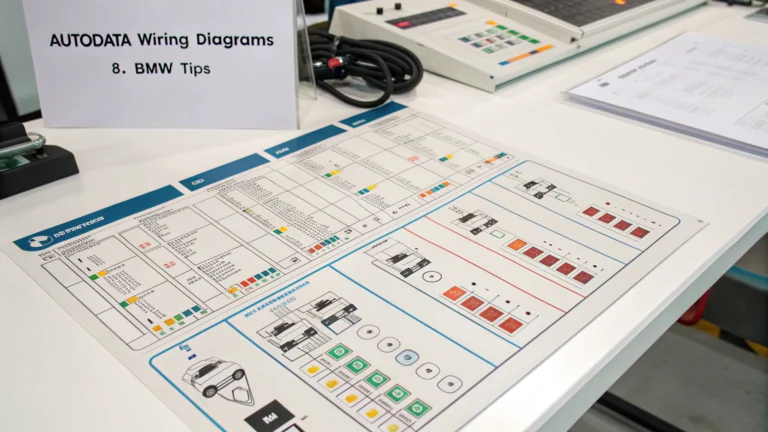
- Clear wiring schematics with color-coded illustrations for easy tracing.
Alldata:
- Original Equipment Manufacturer (OEM)-licensed documentation.
- Factory Technical Service Bulletins (TSBs) and recalls.
- High-quality, printable wiring diagrams.
- Step-by-step diagnostic flowcharts.
- Extensive OEM-specific torque specifications and tightening sequences.
Mechanics regularly addressing various manufacturers and modern complex systems often find Autodata simpler, sleeker, and quickly accessible. In contrast, Alldata shines brightest with its substantial offering of manufacturer-direct OEM data, ideal for specialized repairs and scenarios requiring extremely detailed factory-level information.
Step-by-Step Process: Utilizing Autodata and Alldata for Accurate Diagnostics
Step 1: Identification and Verification
Use Autodata or Alldata (accessible via AutoFixData) to confirm vehicle make, model, VIN decode, and detailed engine specification before diagnostics begin.
Step 2: Check Defined Fault Codes
Leverage the integrated fault code databases to match retrieved DTC to specific, accurate diagnostic information.
Step 3: Consult Technical Bulletins or Known Issues
Immediately reference Alldata technical bulletins or recalls to verify whether the issue is widespread or known within OEM service bulletins.
Step 4: Access Accurate Wiring Schematics
Using Autodata’s visually intuitive wiring diagrams, trace the circuits related to the problematic components or systems. Follow step-by-step wiring routes to identify potential faults precisely.
Step 5: Review Repair Procedures and Specifications
Review manufacturer-suggested procedures through Alldata, examining torque specifications, tightening sequences, component testing methods, and replacement guidelines to ensure compliance with OEM standards.
Step 6: Confirm with Testing and Validation
After carrying out repairs, reference Autodata to cross-check critical testing values or sensor specs ensuring the correct diagnosis and repairs were executed.
Tip: Combine both Autodata simplicity (quick referencing) and Alldata detailed OEM insights (for complex issues) to streamline diagnostics and maximize efficiency.
Common Mistakes to Avoid When Choosing Autodata vs Alldata
- Overlooking TSBs: Neglecting manufacturer-issued bulletins from Alldata can lead to wasted time. Always cross-check for known OEM-reported problems before investing time in extensive diagnostics.
- Ignoring Wiring Schematics: Skipping visual wiring diagrams often results in overlooking faults. Taking advantage of Autodata’s clear visual aids reduces unnecessary part replacement.
- Guessing Torque Specs or Procedures: Deviating from recommended torque values or tightening sequences can lead to component damage or safety hazards. Always follow Alldata resources for OEM-approved accuracy.
- Underestimating Routine Maintenance Data: Neglecting Autodata’s simple, easy-to-use preventive schedule and maintenance diagrams can lead to preventable failures down the road.
Advanced Techniques: Elevating Your Diagnostic Skills
- Integrated Approach: Expert mechanics often blend quick referencing of Autodata during initial diagnosis with detailed Alldata OEM data for deeper investigations.
- Address Complex Electrical Systems with Confidence: Use Alldata as your key resource to pinpoint complex electric-driven faults, CAN-Bus/LIN-Bus communication issues, and ADAS calibrations.
- Stay Updated with OEM Bulletins: Regularly engage with Alldata’s OEM technical service bulletins (TSBs) so your team remains proactive, catching vehicle issues ahead of customer impact.
Tools and Resources Needed for Successful Diagnostics
- Advanced OBD-II diagnostic scan tools (Snap-On, Autel, Launch, Bosch)
- Digital Multimeters and Oscilloscopes (Fluke or PicoScope preferred)
- Reliable Testing and Calibrating Equipment (fuel pressure gauges, vacuum testers)
- Access to Autodata and Alldata through an integrated AutoFixData subscription platform for comprehensive diagnostic guides, OEM specs, and bulletins.
Real-World Application: Case Study Example
A recent case study from a specialist garage highlighted a Volvo XC90 intermittently generating transmission shift issues. After unsuccessful basic checks, mechanics accessed Autodata diagnostic flowcharts and system wiring diagrams. They quickly pinpointed and rectified a wiring fault. Alldata provided further OEM-calibrated insight into subsequent software updates recommended by Volvo, completing a precise and permanent repair, saving hours in labor costs.
Conclusion: Autodata vs Alldata—Choose the Best Fit
When considering Autodata vs Alldata, it doesn’t always come down to selecting one over the other. Combining Autodata’s user-friendly format for general purpose diagnostics with Alldata’s exhaustive OEM documentation effectively covers all bases. AutoFixData enables you to seamlessly access both through a unified subscription, empowering your workshop and keeping customers satisfied.
By significantly enhancing diagnostic precision, reducing unnecessary repairs, and shortening turnaround times, AutoFixData helps you maximize operational efficiency and profitability.
FAQs: Answering Common Concerns About Autodata vs Alldata
1. Is OEM information always superior to generalized diagnostic information?
OEM data through Alldata is ideal for complex or manufacturer-specific issues like controls modules diagnosis and calibration. Yet, for general servicing and quick referencing, Autodata might be quicker and more convenient.
2. Can I use Autodata and Alldata on mobiles or tablets while in-bay?
Absolutely. Both solutions offer mobile compatibility through AutoFixData’s digital platform, providing real-time access to information while actively diagnosing in your workshop.
3. How updated are Autodata and Alldata when new models arrive?
Both datasets receive constant updates. Alldata frequently includes immediate OEM data updates such as TSBs, recalls, and campaign information.
4. Where do HaynesPro platforms fit compared to Autodata and Alldata?
HaynesPro, like Autodata, offers simplified data ideal for quick access, guidance, and multi-brand workshops. Alldata excels at highly detailed, OEM-specific repairs.
Ready to upgrade your workshop diagnostics? Explore AutoFixData’s platform today and access Autodata, Alldata, and more under one comprehensive subscription. Get started now