Autodata's Hybrid Vehicle Capabilities
Introduction
Working with hybrid vehicles presents unique diagnostic challenges, even for seasoned automotive technicians. With complex embedded systems, numerous computerized controls, and the interplay of electric and gasoline propulsion, accurately diagnosing and servicing hybrids demands specialized technical data and support. Often, mechanics struggle without access to reliable diagnostic resources tailored specifically for hybrid vehicles. Thankfully, platforms like Autodata have been specifically enhanced to handle these advanced technologies, allowing mechanics to quickly pinpoint issues and repair them efficiently.
This blog post will highlight how using Autodata hybrid vehicle resources, integrated within the AutoFixData platform, can simplify diagnostics, reduce downtime, and streamline your garage processes.
Problem Identification
Hybrid vehicles integrate combustion engine systems with electrical powertrains, doubling the complexity technicians must handle in diagnostics. Research indicates hybrid vehicle ownership is climbing significantly; the global hybrid electric vehicle market size, currently estimated at $223 billion, is predicted to surpass $1 trillion by 2030. As these vehicles flood service bays more frequently, technicians face significant diagnostic challenges due to:
- Complex integration of traditional combustion engine components and advanced electrical systems.
- Difficulty interpreting hybrid diagnostic trouble codes (DTCs) and understanding fault interdependencies.
- Specialized procedures and precautions required during maintenance to prevent expensive errors or accidents.
Without specialized data access, garages often spend unnecessary hours troubleshooting common hybrid-specific issues, negatively affecting efficiency, profitability, and customer satisfaction.
Technical Background
Hybrid vehicles employ two or more distinct types of power sources, most frequently a gasoline engine coupled with electric motor propulsion. Multiple onboard computers control these systems, managing power distribution, battery charge states, regenerative braking, and enhancing fuel efficiency. Understanding these unique hybrid vehicle components is imperative:
- High-Voltage Battery Packs: Advanced lithium-ion or nickel-metal hydride batteries providing power for electric drive motors, often operating at voltages ranging between 200–600 volts DC.
- Inverter/Converter Systems: Converting DC current from battery packs into usable AC voltage for electric motors, or converting AC to DC for battery charging.
- Hybrid Control Module (HCM): Primary controller orchestrating power management between internal combustion engine (ICE) and electric drive systems.
- Regenerative Braking Systems: Mechanisms capturing kinetic energy during braking, converting it into energy to recharge battery packs.
Technicians working without accurate data often misinterpret symptoms caused by interconnected sub-systems, leading to misdiagnosis and further complications.
Solution Overview
Diagnosing hybrid vehicles accurately requires precision tools such as diagnostics software. Among these, Autodata hybrid resources accessible through the AutoFixData platform provide specialized hybrid-focused diagnostic information, enhancing technician accuracy and confidence.
Key solutions offered by the Autodata hybrid software capabilities include:
- Comprehensive Hybrid Wiring Diagrams & Pin Data
- Manufacturer-specific Diagnostic Trouble Code interpretations
- Guided Component Testing Procedures designed specifically for hybrids
- High Voltage Safety Protocols and Precaution Details
- Hybrid maintenance schedules and OEM procedures
AutoFixData conveniently integrates Autodata resources alongside other trusted diagnostic platforms, including AllData and HaynesPro, forming a single, easy-to-navigate point of reference for accurate repairs.
Step-by-Step Diagnostic Process for Hybrid Vehicles
Step 1: Initial Safety Precautions
Always observe established safety procedures—disconnect high-voltage systems properly, utilizing appropriate safety gloves and insulated tools as advised by the Autodata hybrid guidelines.
Step 2: Scan and Document all Diagnostic Trouble Codes (DTCs)
Connect your professional-grade OBD-II scanner, record any DTCs or warnings received, and identify relevant diagnostic starting points using AutoFixData's Autodata hybrid code directory.
Step 3: Analyze Fault Code Descriptions and Relevant Fixes
Utilize Autodata hybrid documentation found in AutoFixData to grasp the full implication of codes, including interpretations specific to hybrid systems and common associated failures.
(Visual aid suggestion: Screenshots of hybrid-specific DTC listings from Autodata interface)
Step 4: Refer to Accurate Wiring Diagrams
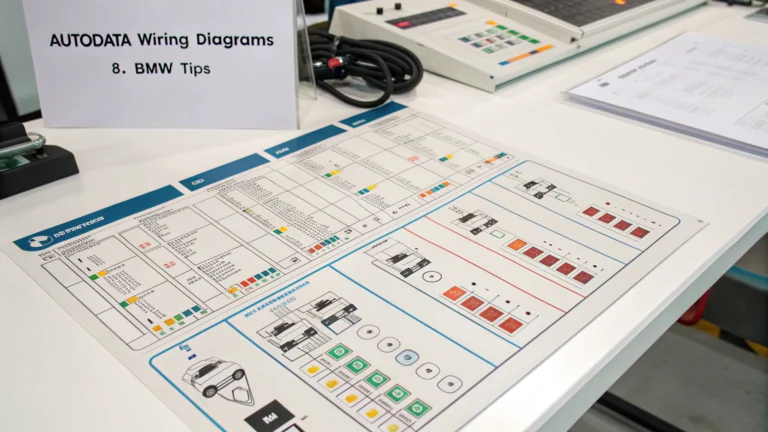
Carefully check electrical integrity using Autodata hybrid wiring diagrams, allowing thorough diagnosis of faults such as powertrain management issues or communication failures within hybrid systems.
(Diagrams: Insert AutoFixData's Autodata hybrid wiring diagrams screenshot here)
Step 5: Perform Suggested Tests and Component Checks
Execute guided troubleshooting procedures listed on Autodata hybrid to isolate exact defect sources—inspect inverter components, conduct isolation tests, and measure high-voltage battery performance accurately.
Step 6: Validate Repairs and Recheck Codes
After repairs are completed, clear DTCs, verify performance through driving cycles, and confirm correct voltages and sensor inputs using Autodata hybrid guidelines.
Common Mistakes to Avoid
When dealing with hybrids, even experienced technicians occasionally fall into common pitfalls:
- Overlooking Hybrid Safety Protocols: Neglecting protective equipment or procedures can result in serious injury or costly component damage.
- Misreading Interconnected Fault Codes: Without accurate hybrid-specific interpretive support, technicians may incorrectly diagnose complex hybrid faults.
- Using Standard ICE Procedures on Hybrid Models: Following conventional combustion engine diagnostic pathways may not address hybrid-specific failures, necessitating Autodata hybrid data clarity.
Advanced Techniques
Taking hybrid diagnostics a step further, consider these advanced professional techniques to enhance your capabilities:
- High-Voltage Isolation Diagnostics: Perform electrical isolation tests on battery packs, motor-generators, and inverter units to identify minuscule electrical leaks common within older hybrid vehicles.
- Battery Cell Balancing & Diagnostics: Utilize Autodata hybrid guidance for precise battery cell health diagnostics, balancing modules, and proactive replacements to extend battery pack durability.
- Software & Firmware Updates: Many hybrid issues—especially efficiency losses or driveability hesitation—can resolve by updating hybrid vehicle modules' firmware according to OEM updates through Autodata hybrid bulletins accessible via AutoFixData.
Tools and Resources Needed
To perform the diagnostic operations efficiently, ensure you have:
- Advanced OBD-II scanner with Hybrid Vehicle capability and software.
- Insulated hand tools designed for high-voltage automotive applications.
- Proper high-voltage protective gear (Class 0 insulated gloves, safety visors, insulated boots).
- Comprehensive access to specialized hybrid diagnostic platforms provided via AutoFixData, particularly Autodata hybrid system data.
Real-World Application
Recently, a client’s Toyota Prius displayed inconsistent performance, intermittent power loss, and illuminated hybrid warning lights. Technicians previously unfamiliar with hybrid-specific diagnostics hesitated to tackle the issue. Leveraging Autodata hybrid diagnostic solutions via AutoFixData.com revealed high-voltage isolation issues within the inverter module. Specific diagnostic steps outlined clearly enabled technicians to safely repair the vehicle by precisely following Autodata’s documented procedures, minimizing customer wait-time, shop downtime, and costly misdiagnosis.
Conclusion
Hybrid vehicles require specialized training, precise diagnostics, and access to resources tailored explicitly for powertrain management diagnostics. Utilizing solutions such as Autodata hybrid information accessible within AutoFixData significantly simplifies diagnostic routines, enhances technician safety, and supports efficient repairs. With AutoFixData’s integrated platform access combining Autodata, AllData, and HaynesPro resources, garages and workshops can confidently face the growing influx of hybrid vehicles into their bays.
Eager to streamline your hybrid diagnostic abilities? Explore our customized plans today and elevate your automotive repair service capabilities through exceptional, data-driven resources.
Click Here to Learn More and Access Pricing Plans at AutoFixData.com!
FAQs
1. What distinguishes Autodata hybrid diagnostics from standard vehicle data?
Autodata hybrid diagnostics specifically address the unique combination of electrical and gasoline engine systems, offering tailored diagnostic advice, DTC interpretations, wiring diagrams, and safety instructions specific to hybrids.
2. Can Autodata hybrid information found within AutoFixData assist with any hybrid or specific manufacturers only?
The Autodata hybrid resources cover an extensive range of hybrid vehicles from numerous global manufacturers, ensuring technicians have broad diagnostic coverage.
3. What safety equipment is critical when diagnosing hybrid vehicles?
High-voltage rated insulation gloves, insulated tools, a face shield, insulated boots, and digital multimeters rated for high-voltage applications are critical when diagnosing hybrids.
4. How often should hybrid vehicle battery packs be inspected and diagnosed?
Inspect the high-voltage battery packs during regularly scheduled maintenance approximately every 12 months or 15,000 miles, as recommended by OEM guidelines accessible through Autodata hybrid capabilities.
5. Is specialized training required to effectively use Autodata hybrid diagnostic tools?
While beneficial, no required specialized training is mandatory. The Autodata hybrid platform through AutoFixData is intuitive, well-documented, and designed for clear understanding among both professional technicians and skilled automotive enthusiasts.