Introduction: Addressing Diagnostic Challenges with Autodata for Schools
Today's automotive industry demands precision and accuracy from every technician, making reliable diagnostic tools essential for successful repairs. Technical challenges—such as interpreting complex wiring diagrams, identifying obscure fault codes, or accessing manufacturer-approved diagnostic procedures—often slow productivity, cost money, and diminish customer satisfaction. For automotive training institutions, these issues are amplified as educators strive to teach practical problem-solving skills to the next generation of technicians. By adopting specialized diagnostic platforms like Autodata for schools, educational institutions can better equip automotive students with real-world skills, precise troubleshooting methods, and dependable solutions for even the most difficult repairs.
At AutoFixData, our commitment is clear: provide precise, reliable diagnostic information through trusted sources like AllData, HaynesPro, and specifically Autodata. Educational institutions that integrate Autodata for schools into their curriculum consistently produce highly skilled technicians capable of confidently tackling complex repair scenarios. Whether diagnosing complicated emissions faults or troubleshooting intricate hybrid vehicle electronics, Autodata-equipped schools benefit from industry-level accuracy, updated vehicle-specific repair data, and intuitive technical breakdowns.
In this guide, we'll delve deeper into why Autodata for schools represents an industry standard in automotive education, exploring how AutoFixData facilitates seamless integration of top diagnostic resources to power effective teaching and learning processes.
Problem Identification: Common Diagnostic Challenges for Automotive Education
Automotive educators confront unique challenges within classroom and shop environments. Students, often unfamiliar with diverse vehicle makes and models, struggle initially to diagnose and repair complex technical problems accurately. Specifically, students and instructors commonly face:
- Difficulty accessing current OEM-standard repair information
- Challenges interpreting diagnostic trouble codes (DTCs)
- Ineffective training resources that do not reflect real-world industry scenarios
- Inefficient use of class and lab time due to difficult-to-navigate resources
These issues are further highlighted by data from the National Vehicle Technicians Training Council, revealing that institutions using outdated or incomplete diagnostic software often see reduced student engagement and diminished job readiness. By leveraging updated diagnostic solutions such as Autodata for schools, automotive education programs not only address these specific problems but also enhance their curriculum's overall effectiveness and industry relevance.
Technical Background: Why Accurate Diagnostic Information Matters
Modern automotive systems are distinctly sophisticated. Technological advancements—such as direct fuel injection, hybridization, advanced driver assistance systems (ADAS), and intricate electrical systems—pose considerable diagnostic challenges. Effective troubleshooting requires technicians to have an intricate understanding of automotive system architectures, sensor interactions, data communication, and component functionality.
Automotive curricula that fail to align closely with industry-level diagnostic resources risk graduating technicians unprepared for real-world conditions, where precise diagnostics equate directly to profitability, efficiency, and customer trust. Real-time access to OEM-sourced wiring diagrams, technical bulletins, maintenance procedures, torque specifications, and component diagnostic guidelines ensures students acquire an accurate mental model of complex automotive systems.
Solution Overview: Autodata for Schools through AutoFixData
Diagnostic platforms like Autodata, AllData, and HaynesPro available through AutoFixData ensure students learn using the most accurate technical information, reflecting current automotive industry standards. Autodata for schools specifically provides several distinct advantages:
- Comprehensive vehicle data spanning makes, models, and market trends
- Manufacturer-approved repair methods that adhere strictly to OEM specifications
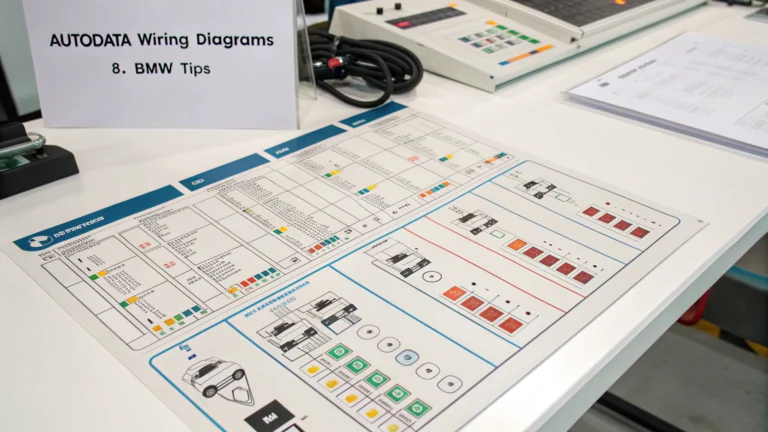
- Detailed wiring diagrams and component location visuals
- Up-to-date, searchable database of diagnostic codes (OBD2 and OEM-specific)
- User-friendly interface designed for quick interpretation by automotive educators and students alike
Through AutoFixData's centralized access, instructors have tools to seamlessly integrate Autodata and similarly robust diagnostic platforms into their automotive curriculum, significantly boosting the quality, accuracy, and relevance of automotive education.
Step-by-Step Process: Integrating Autodata for Schools into Your Diagnostic Lessons
Step 1: Instructor Orientation
Ensure instructors familiarize themselves thoroughly with Autodata features, including navigation tools, search functions, and data options. Understanding how to efficiently source information ensures smoother teaching sessions.
Step 2: Curriculum Integration
Incorporate Autodata’s diagnostic information directly into lesson plans and hands-on lab exercises. Establish specific diagnostic scenarios for students to solve using live data.
Step 3: Hands-on Diagnostic Exercise
Actively engage students with real vehicle diagnostic exercises where they interpret DTCs, analyze schematics, and access problem-solving tools within Autodata to reinforce practical skills.
Step 4: Reinforcement and Evaluation
Follow up skill-building exercises with diagnostic problem assessments using Autodata’s detailed instructions, component identification visuals, and repair procedures. Collect feedback on student challenges to guide instructional improvements.
Step 5: Continuous Updating
Regularly integrate updated vehicle data and evolving technology discussions courtesy of Autodata’s continually refreshed database, allowing students to maintain their learning edge alongside real-world automotive advances.
Common Mistakes to Avoid when Using Diagnostic Platforms in Education
-
Relying Solely on Theoretical Lessons: While theory is crucial, an overly theoretical approach without adequate hands-on Autodata integration leads to significant skill gaps.
-
Ignoring Frequent Software Updates: Autodata and related diagnostic tools release frequent updates. Neglecting these updates reduces the accuracy of your curriculum’s diagnostic information.
-
Underutilizing Visual Reference Materials: Diagrams, exploded views, and component locations visuals within Autodata greatly enhance students' understanding of complex systems. Don’t overlook their significance.
-
Insufficient Preparation for Troubleshooting Exercises: Providing students unclear diagnostic scenarios without explicit technical instructions from Autodata can overwhelm and demotivate learners.
Advanced Techniques to Enhance Automotive Curriculum Using Autodata
Educational institutions aiming for excellence must consider advanced implementations of Autodata:
- Integrate Autodata’s service bulletins alongside regular coursework, giving students practice in interpreting OEM-specific diagnostic procedures and warnings.
- Simulate real-world industry scenarios using Autodata’s fault diagnosis modules, focusing on challenging electrical faults, emissions-related issues, transmission diagnostics, or complex hybrid powertrain problems.
- Facilitate regular group diagnostic troubleshooting workshops where students compete using Autodata's comprehensive diagnostic guidelines and procedures to diagnose specific automotive faults.
- Utilize Autodata analytics to track common recurring vehicle faults from industry data, informing class labs and lessons focused strategically on emerging trends.
Tools and Resources Needed for Effective Autodata Implementation
- Authorized access to Autodata via AutoFixData’s educational subscription
- Modern diagnostic scan tools featuring OBD2 capability and manufacturer-specific software integration
- Computers or tablets for direct and immediate access to Autodata content
- Access to vehicles or simulators with known faults/entities for practical exercises
- Adequate lab space and testing equipment (voltage meters, oscilloscopes, EV/hybrid service tools)
Among the multiple diagnostic options available, Autodata for schools represents a top choice when accurate, OEM-spec, and comprehensive data alignment are paramount.
Real-World Application: How Autodata for Schools Transformed One Automotive Program
Last year, Franklin Technical College faced challenges with outdated diagnostic information causing decreased student engagement and underwhelming employer feedback on skill readiness. Troubleshooting electrical faults and interpreting troubleshooting procedures were common pain points.
After integrating Autodata provided by AutoFixData into their classes, students quickly closed their knowledge gaps. Live access to accurate, up-to-date data promoted student confidence, improved classroom engagement, and led directly to increased employer satisfaction and higher employment rates among graduates.
Conclusion: Empowering Automotive Education through Autodata for Schools
There's no doubt about the effectiveness and necessity of employing robust diagnostic resources within automotive educational programs. By strategically utilizing Autodata for schools through AutoFixData, institutions significantly enhance educational outcomes and produce highly-skilled, confident automotive professionals. AutoFixData brings these essential tools together seamlessly, empowering educators and students alike to achieve consistent diagnostic accuracy and career-ready knowledge.
Ready to partner with Autodata and AutoFixData for your automotive school? Explore our competitive pricing and subscription plans tailored specifically for educational institutions at AutoFixData.com/pricing.
FAQs: About Using Autodata for Schools
Q1: Is Autodata suitable for all automotive education levels?
Yes. Autodata caters equally to beginner, intermediate, and advanced diagnostic competencies, making it ideal for secondary schools, trade schools, vocational institutions, and higher education automotive engineering programs.
Q2: How frequently is Autodata updated?
Autodata’s database receives continuous updates that reflect automotive industry changes, ensuring users—including educational institutions—access the latest data constantly.
Q3: Does AutoFixData provide support for educators using Autodata?
Absolutely. AutoFixData offers comprehensive technical and instructional support, making educational implementation straightforward and efficient.
Q4: Can students access Autodata remotely?
Yes, AutoFixData allows secure remote login access to subscribed Autodata resources, enabling anytime student learning or research.
Q5: Does Autodata include training for hybrid and electric vehicles?
Yes, Autodata provides extensive coverage of diagnostic and maintenance procedures for hybrid, electric, and emerging vehicle technologies, supporting modern curriculum needs.