Introduction
Working on motorcycles can present unique mechanical challenges that demand precision, reliability, and deep technical insight. Mechanics, garage owners, and enthusiasts are frequently required to diagnose complex issues quickly, yet many diagnostic tools primarily target automotive platforms, leaving motorcycle-specific information comparatively scarce. This gap often makes diagnosing motorcycle faults more arduous, time-consuming, and less accurate, leading to reduced efficiency and profitability for workshops.
Thankfully, Autodata Motorcycle fills this void, providing specialized diagnostic, walkthroughs, service schedules, technical data, wiring diagrams, and troubleshooting guides specifically designed for motorcycles. But how exactly does Autodata motorcycle coverage make a difference? In this comprehensive guide, we’ll explore the fine details of Autodata’s motorcycle capabilities, highlight key features, outline practical usage strategies, and share professional tips and insights to maximize your diagnostic accuracy and workshop efficiency.
If you’re currently seeking advanced diagnostic support for motorcycles, consider exploring AutoFixData’s wide range of diagnostic platform solutions. Visit AutoFixData Pricing to discover affordable subscriptions and expanded access to essential diagnostic tools including Autodata motorcycle content.
Problem Identification
Motorcycles have grown increasingly complex, integrating sophisticated electronic safety systems (such as ABS, ECU-managed fuel injection systems, and emission control technologies). Diagnostic accuracy and speed become critical factors for maintaining competitive workshop efficiency and ensuring customer satisfaction.
A key problem mechanics frequently encounter is the lack of quick access to precise technical data for motorcycles. According to industry research, diagnostic errors or inefficiencies can collectively lead to nearly a 25-35% loss in operational productivity in typical motorcycle repair shops. Many generic automotive diagnostic databases provide minimal or insufficient motorcycle information, causing mechanics to rely more heavily on guesswork or tedious manual troubleshooting.
Common diagnostic issues include:
- Difficulty locating specific fuse and relay layout diagrams for motorcycles.
- Insufficient wiring diagrams, especially for older or less common models.
- Limited guidance for engine parameter specifications and tolerances.
- Troubleshooting complex fault codes from motorcycle ECUs and electronic modules.
Technical Background
Modern motorcycles feature intricate electrical, electronic, and mechanical systems comparable to contemporary automobiles but packaged more compactly. Common diagnostic complexity arises from:
- Electronic Control Units (ECUs): Central to ignition, fuel injection, ABS, traction control, and emissions compliance. Accurate fault code interpretation is crucial.
- CAN-BUS Electrical Systems: Widespread adoption challenges mechanics accustomed to traditional wiring architecture. Diagnosing voltage issues or erratic electrical behaviors demands specialized diagrams and knowledge.
- Fuel Injection Systems (EFI): Precise fault isolation demands specifications for fuel pressure, injector resistance, pump dynamics, and sensor voltage benchmarks.
- Emission Control Systems: Catalytic converters, sensors, and associated OBD systems are increasingly refined and regulation-compliant. Diagnostic precision depends on detailed service schedules, resets, and specs.
Without timely, accurate, and motorcycle-specific technical data, resolving issues can waste substantial shop hours and negatively influence customer satisfaction and repeat business.
Solution Overview
Enter Autodata Motorcycle coverage—a comprehensive digital-age diagnostic database deeply trusted by professional motorcycle workshops across the globe. Platforms such as Autodata (available via AutoFixData) offer:
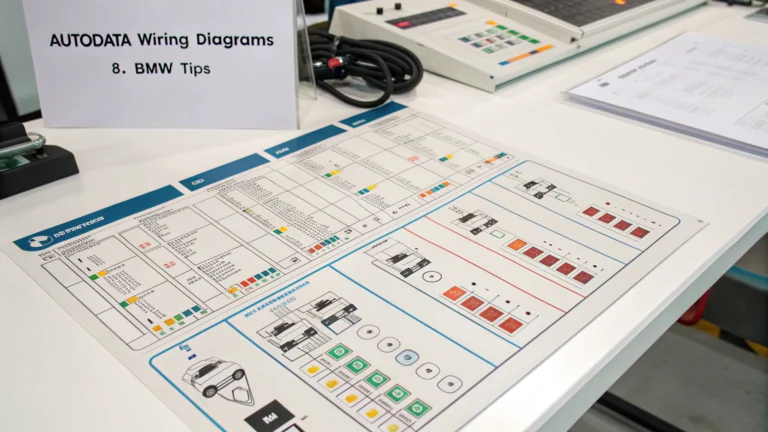
- Detailed wiring diagrams: Color-coded diagrams specially adapted to motorcycle electrical circuits.
- Interactive fault code interpretation: Step-by-step instructions for pinpointing faults quickly and accurately.
- Precise technical specifications: Engine tuning and torque specifications, valve clearances, tire pressures, fluid capacities, tightening torques, and more.
- Guided diagnostic procedures: Flowcharts and step-by-step repair instructions designed explicitly for the motorcycle service bay.
- Routine maintenance schedules: Model-specific maintenance schedules detailed down to accurate mileages and operating hours.
Autodata motorcycle coverage effectively bridges the technical knowledge gap many automotive-specific databases leave open.
Using Autodata Motorcycle: Step-by-Step Process
Here’s a step-by-step guide to optimally leveraging Autodata Motorcycle coverage in daily diagnostics and maintenance tasks:
Step 1: Vehicle Selection Accuracy
Always begin your diagnostic session by correctly entering the motorcycle’s brand, model, year, and configuration. Ensuring vehicle accuracy immediately makes all the subsequent procedures precise and reliable.
Step 2: Accessing Fault Codes & Procedures
Use the clearly presented fault code lookup functionality provided by Autodata to connect the diagnostic tool or manually interpret flashing sequences or MIL lights. Utilize clear instructions to match fault codes to potential underlying problems.
Step 3: Utilize Wiring Diagrams Effectively
Autodata motorcycle wiring diagrams are model-specific and color-coded, making them much easier to follow. Trace electrical issues systematically, using printed or digital diagrams available via AutoFixData subscriptions.
Step 4: Data Specifications & Adjustments
Incorporate Autodata motorcycle technical charts and tables into daily tasks such as checking valve clearances, adjusting fuel injection parameters, recalibrating throttle sensors, and performing suspension configurations.
Step 5: Verify Repair with Reference Data
Upon completing repairs, always cross-reference your work with recommended Autodata service intervals, torque settings, and fault code clearances to validate final repairs.
Common Mistakes to Avoid
To ensure maximum benefit from Autodata Motorcycle, avoid common mistakes:
- Skipping precise motorcycle identification leading to incorrect specification referencing.
- Overlooking the importance of stepwise troubleshooting routines offered in diagnostic guides.
- Inadequate cross-referencing data, which results in repeat repairs or inaccurate adjustments.
- Relying on generalized automotive data instead of motorcycle-specific content.
Advanced Techniques
Pro-level motorcycle technicians benefit from several advanced techniques using Autodata Motorcycle:
- CAN-BUS Data-Gateway Diagnosis: Specialized CAN-BUS testing procedures can rapidly isolate elusive faults.
- Injector Pulse Width Analysis: Use Autodata EFI specifications to pinpoint fueling errors relying on oscilloscope measurements.
- Advanced Sensor Diagnostics: Leverage Autodata data specifications and voltage reference charts to diagnose advanced sensor trouble codes effectively.
Tools and Resources Needed
When using Autodata motorcycle content for diagnostics, Core essentials include:
- Diagnostic Scan Tool Compatible with Motorcycles: OBD and CAN-BUS compliant tools such as Launch, Autel, or OEM-specific diagnostic platforms.
- Multimeter & Oscilloscope: Ideal for electrical/electronic diagnostics.
- Torque Wrenches: Essential for adhering to specification accurately listed within Autodata.
- Tablet or PC Access to Autodata (via AutoFixData): Provides instant access to technical diagnostic guides and wiring diagrams.
Real-World Application Case Study
A motorcycle shop recently faced trouble diagnosing a recurring ABS fault on a 2021 Ducati model. Despite standard troubleshooting, problems persisted. Utilizing Autodata motorcycle coverage, the mechanic accessed specific CAN-BUS diagnostic procedures and pinout references, quickly isolating a faulty ABS sensor connector. The entire diagnostic to successful resolution took under an hour—highlighting just how much time and effort Autodata motorcycle data can save.
Conclusion
Autodata Motorcycle remains indispensable for motorcycle workshops seeking to maximize efficiency, accuracy, and reliability during diagnostics and repair. With trustworthy technical specifications, accurate wiring diagrams, step-by-step troubleshooting instructions, and regularly updated data, Autodata motorcycle coverage greatly enhances workshop productivity and precision.
AutoFixData provides affordable and accessible subscriptions to Autodata Motorcycle—plus additional automotive diagnostic resources from AllData and HaynesPro. Visit our pricing page today and ensure your diagnostic efficiency stays competitive and precise.
FAQs
1. Does Autodata Motorcycle cover older classic bike models?
Yes, Autodata motorcycle coverage extensively includes classic, contemporary, and modern motorcycle models, frequently updated to ensure broad model coverage.
2. Can Autodata motorcycle improve my workshop’s productivity?
Absolutely. Accurate motorcycle-specific diagrams and diagnostic guides significantly reduce guesswork, lowering repair time considerably.
3. Can I use my existing diagnostic tools alongside Autodata motorcycle?
Yes; Autodata motorcycle complements numerous common diagnostic tools like Launch, Autel, or Snap-On.
4. Can I access Autodata through AutoFixData subscriptions?
Yes, AutoFixData subscribers enjoy full Autodata motorcycle diagnostic content, alongside AllData and HaynesPro, through conveniently priced plans on our website.
Enhance your workshop’s efficiency by subscribing today! Visit AutoFixData Pricing and unlock comprehensive motorcycle diagnostic capabilities with Autodata.